3

i 3 Table Of Content

Fireworks and Dogs: Keeping your dog safe on the Fourth of July

More dogs are lost over the 4th July holiday than any other time of year. 

The loud bangs of fireworks trigger a startle reflex in your dog, which sends adrenalin rushing through their body, making your dog more liable to bolt through fear. Running away from the sound is a very natural survival instinct. 

Dogs experience the world through their senses. Their eyes, their noses, and their ears.

Fireworks stimulate all three of these senses. The eruption of fireworks not only creates loud and sudden booms, but they create flashes of lights and smells of gunpowder. 

So fireworks are incredibly overstimulating and scary for many, many dogs.

Let’s look at what you can do to help your dog make it through the fireworks with minimal stress. 
Bentley the Aussiedoodle
7 years old now, and developed fear of fireworks after he turned 5 years old.

Dogs experience the world through their senses.

Their eyes, their noses, and their ears.

Fireworks stimulate all three of these senses. The eruption of fireworks not only creates loud and sudden booms, but they create flashes of lights and smells of gunpowder. 

So fireworks are incredibly overstimulating and scary for many, many dogs.

Let’s look at what you can do to help your dog make it through the fireworks with minimal stress. 

Why are dogs scared of fireworks?

Dogs have incredibly sensitive hearing. They can hear noises four times further away than humans and hear nearly twice the amount of frequencies that we do.  

Dog’s ears are controlled by 18 muscles, allowing them to filter sounds into their inner ear more efficiently. Air vibrations create sound, and while humans can’t hear sounds above 20,000 vibrations per second, our beloved canine companions can.

A dog’s sense of smell is astounding.

They have up to 300 million olfactory receptors in their nose and can sniff out a drop of odor in an Olympic-sized swimming pool. 

Your dog’s nose is designed to process scents at an incredible rate. The area of a dog’s brain dedicated to analyzing smells is 40% larger than a human’s. 

When fireworks explode, they release sulfur into the air. The smell often lingers long after the parties are over on the Fourth of July. You can just imagine how intense that scent is to your dog both during and after all the celebrations. 

In addition to all the sounds and smells, your dog is also processing the flashes accompanying the sensory onslaught they experience. 

Put all of those factors together, and it makes total sense that fireworks are an extremely stressful affair for our dogs. 

How to desensitize your dog to the sound of fireworks

With training, you can desensitize your dog to scary sounds to help keep them safe and feeling more relaxed. 

By removing the fear associated with one of the sensory factors your dog is exposed to on the Fourth of July, you can help them find the experience less frightening. 

We recommend these two training games to help desensitize your dog to the sound of fireworks. 

Boom- Click- Treat

  1. Grab your dog’s absolute favorite treats 
  2. Load up fireworks sounds on Youtube and begin playing at a very low volume (almost inaudible to us humans)
  3. After each firework boom, click and treat your dog
  4. If your dog is relaxed and able to take the treats happily, then increase the sound moderately every 2 minutes
  5. If your dog shows any signs of stress, then lower the volume or move away from the sound source (more info on signs of stress below)
  6. During the game, take breaks to play tug, fetch, or whatever your dog’s favorite is while the sounds are still playing

What was That!

  1. sGrab your dog’s absolute favorite treats
  2. Start playing with an item that will not make a loud noise when dropped, like a pillow
  3. When your dog isn’t looking, drop the item
  4. When your dog looks over, say ‘what was that?’ and treat your dog
  5. After each drop, progress to a different object that makes a slightly louder noise
  6. If your dog shows any signs of stress, then return to a quieter object or take a break

Play these game daily in the lead up to the Fourth of July

Signs of stress in your dog

It’s vital to learn the signs of stress in your dog so that you can spot the early warning signs and help your dog out. 

Common yet subtle signs of stress include lip licking, yawning, head-turning, whale eye (when you can see the whites of your dog’s eyes), ears back, or food refusal.

Calming products for dogs

There are many natural and holistic products you can try to help calm your dog during periods of stress or upset. 

Calming plug-ins and sprays such as Adaptil release pheromones

Thundershirts or anxiety wraps can help some dogs. 

Essential oils like lavender can be used, either in a diffuser or simply a few drops on a blanket. Please make sure that your dog isn’t likely to ingest it.

Massage can be hugely relaxing for some dogs. 

Image by LiliChin
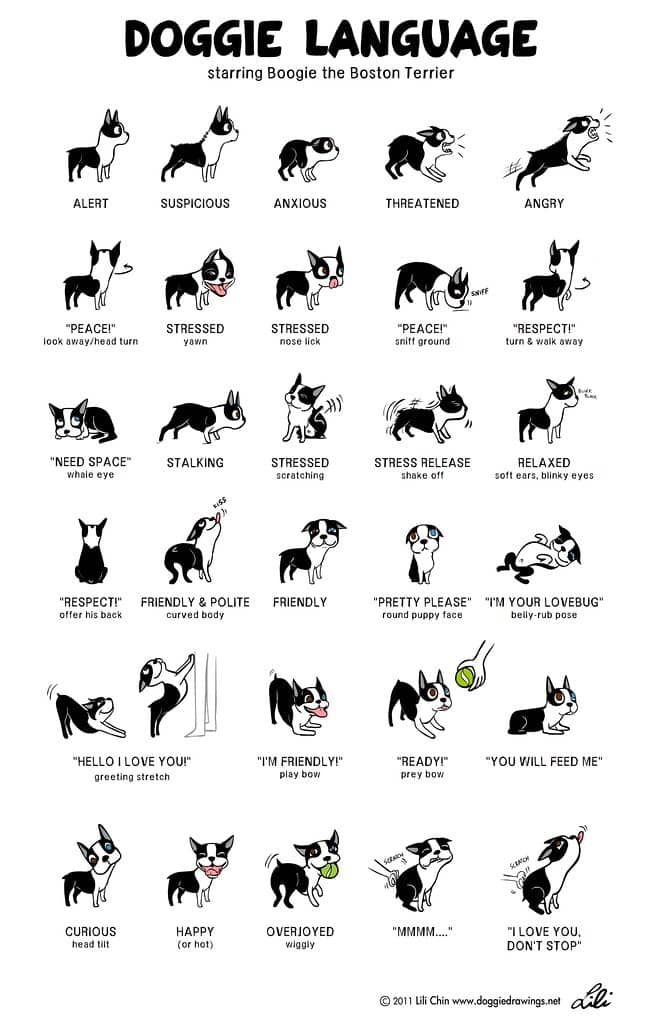
Remember the calming signals shared above, and watch out for any signs that your dog would rather not be touched. 

10 tips to help your dog on the Fourth of July

  • Close curtains to block your dog’s sight of the explosions.
  • Use white noise to help muffle the sudden bangs
  • Prepare enrichment feeders in advance to give your dog something to distract and calm
  • If you can, stay home with your dog to provide comfort and security
  • If you can’t be home, then ensure your dog is safely contained and unable to escape your property
  • Before the festivities start, ensure your dog has had adequate breed-specific exercise to help drain any excess energy. Stay away from anything that gets your dog fired up, as you don’t want to get their cortisol levels raised before the fireworks even start
  • Do some training with your dog to help mentally tire them in advance of the celebrations
    Canine Learning Academy Bernedoodle

    Creating a safe space at home for your dog on the Fourth of July

    Your dog may take comfort in being able to hide away from the commotion of the Fourth of July celebrations. 

    Try to choose an area in your home that is farthest away from the noise, ideally away from windows, and that is secure, so your dog cannot escape. Basements, master bathrooms, and walk-in closets can all work well. 

    It’s important to get your dog used to their safe space before the event so that they can build up positive and calm associations with spending time in there.

    Leave an unwashed shirt or blanket that smells of you can help to provide comfort to your dog. 

    Play white noise or music with a steady beat to help muffle the sounds of the fireworks. Again, get your dog used to this music in the lead-up to the event by playing it when your dog is calm to create positive associations. 

    Ensure your dog has access to clean, fresh water at all times. Raised stress levels may cause your dog to drink more.

    6 top tips to keep your dog safe from escaping on the Fourth of July

    Sadly, on the fifth of July each year, local animal shelters reach capacity. They are filled with dogs who have fled their homes in a desperate attempt to escape the sounds of fireworks. 

    Tragically some of these dogs don’t make it to shelter. They are killed in their panic to run away from the celebrations. 

    Help keep your dog safe this Fourth of July with our 6 top tips.

    • Check fences and gates to ensure your yard is secure
    • Make sure everyone in the household knows that doors need to be kept closed or your dog needs to be safely secured before opening them
    • When taking your dog out to the yard for a toilet break, keep them on the lead
    • Ensure your dog has a tag with up to date contact details on them
    • Make sure your dog’s microchip details are up to date with current contact number and address
    • Consider fitting a GPS tracker to your dog’s collar so that you can quickly locate them in the event of an escape

    Stay Safe this 4th of July

    We hope these tips will help you and your dog to have a safe and relaxed Fourth of July. If you’d like further help or support to help your dog with noise sensitivity or any other issues, then please don’t hesitate to get in touch.
    Our fur child has been with CLA since he was 11 weeks, and he will always be a part of their family! From his initial consultation, I knew Yo would be entrusted with our Goldendoodle. We had 10 one-on-one training sessions and each time Orie came equipped with more preferable behaviors. He started attending day care with the other regulars and learned much needed social skills! I don’t trust him anywhere else for training, walking, or weekend sitting! Oh and BONUS, he went on “vacation” last year – first in the family to go to the Grand Canyon! We love Yo and her fellow, highly-trained professionals. We’re even looking into getting another dog since we have such a great training system 🙂

    Jen R

    Orie the Goldendoodle

    Creating a Puppy Schedule and Routine: The Secret to a Happy, Well-Behaved Dog

    Bringing home a new puppy is one of the most exciting — and overwhelming — experiences you’ll ever have. Between potty training, naps, playtime, and socialization, your puppy depends on you to bring structure to their brand-new world. One of the most powerful tools you can give your pup from day one is a consistent schedule and routine.

    What Is a Puppy Schedule?

    A puppy schedule is a predictable daily rhythm that includes set times for meals, potty breaks, naps, play, training, and bedtime. Just like children, puppies thrive on knowing what to expect. A routine helps them learn faster, feel secure, and settle into family life with confidence.

    A typical day for a young puppy might include:

    • Morning potty break right after waking up

    • Breakfast, followed by a short play session or walk

    • Nap time in their crate or pen

    • Midday potty break and lunch

    • Play, training, or socialization time

    • Dinner and evening potty walk

    • Quiet time and bedtime routine around the same time each night

    Why It’s Important

    A consistent routine teaches your puppy how to behave by helping them predict what happens next.

    • Supports house training: Predictable potty breaks reduce accidents.

    • Encourages calm behavior: Regular naps prevent overstimulation and biting from fatigue.

    • Builds confidence: Puppies feel safer when life feels predictable.

    • Makes training easier: When puppies know when to rest, eat, and play, they can focus better during lessons.

    • Strengthens your bond: Daily repetition builds trust and communication between you and your puppy.

    When routines are inconsistent, puppies can become anxious, overexcited, or confused about expectations. A structured day sets the foundation for a lifetime of good habits and harmony.

    How to Create a Routine That Works

    1. Start Simple – Map out your day and match your puppy’s needs to your lifestyle. Puppies under 5 months need to go potty every 2–3 hours, nap often, and have short bursts of activity.

    2. Use Visual Reminders – Write your puppy’s schedule on a whiteboard, planner, or fridge chart. Consistency among family members is key.

    3. Anchor Key Moments – Keep wake-up, mealtime, and bedtime consistent. Build everything else (training, play, walks) around those anchor points.

    4. Balance Activity and Rest – Puppies need 16–18 hours of sleep per day! Alternate 30–60 minutes of awake time with naps.

    5. Include Mental Enrichment – Add puzzle feeders, sniff walks, and short training games into the day to meet your puppy’s need for mental stimulation.

    6. Adjust as They Grow – Your schedule should evolve as your puppy matures. Potty breaks get longer, naps get shorter, and more training time can be added.

    Daily Routine Ideas for Your Puppy

    Mix & Match Activities to Fit Your Schedule

    Every puppy — and every family — has a different rhythm. The key to raising a happy, confident dog is giving your puppy the right balance of physical exercise, mental stimulation, social experiences, and training. Think of these categories as puzzle pieces that make up your puppy’s ideal day.

    You don’t need to do everything every day. Instead, pick one or two ideas from each category and rotate them throughout the week. The variety keeps your puppy engaged and prevents boredom, frustration, and unwanted behaviors.


    1. Physical Enrichment

    Helps burn energy, build coordination, and satisfy natural instincts like chasing, tugging, and digging.

    • Fetch

    • Play date with other dogs

    • Flirt pole play

    • Urban agility (using benches, curbs, playgrounds, etc.)

    • Hide & seek

    • Swimming

    • Sniffari (a slow, sniff-focused walk)

    • Digging area or sandbox

    • Tug

    • Frisbee

    • Soccer with a soft ball

    How to use: Schedule one or two physical activities during your puppy’s awake times. Keep sessions short and fun (5–10 minutes for young pups). Physical play helps your dog release energy appropriately so they’re calm at home.


    2. Mental Enrichment

    Exercises your puppy’s brain and builds problem-solving skills — a tired mind is a happy mind.

    • Tearing up a box

    • Ball pit fun

    • Food puzzles or snuffle mats

    • ACE Free Work (choice-based exploration)

    • Scavenger hunt for treats

    • Treat Tournament

    • Muffin tin game

    • Frozen Kong or lick mat

    • Trash bag game

    • Paper towel roll challenge

    • DIY enrichment crafts

    How to use: Offer one or two mental games daily, especially when you can’t provide as much physical activity. These activities reduce frustration, promote independence, and make alone time more peaceful.

    To learn more about enrichment, check out our blog- CLICK HERE


    3. Training (During Meal Time)

    Turns everyday feeding into mini lessons that teach manners and focus.

    • Loose leash walking position

    • Harness & leash on/off practice

    • Collar/harness grab

    • Recall (“Come!”)

    • “Go to…” (place, mat, crate, etc.)

    • “Get” or “Find it” games

    • “Which one?” choice games

    • Target training (hand, object, or mat)

    • Trick training

    • Polite greetings

    • Sit, down, stay, settle on a mat

    • Front & back door manners

    • Paws up / paws off

    • Paw target to hand or object

    • Shake, pull it, take it, drop, leave it

    How to use: Use a portion of your puppy’s meal as rewards during 5–10-minute sessions. Training through mealtime builds focus, patience, and communication while keeping your puppy mentally sharp.


    4. Socialization & Exposure

    Builds confidence and prevents fear during the critical early learning window (8–16 weeks, and beyond).

    • Explore new environments

    • Make a DIY obstacle course at home

    • Visit public places (store fronts, sidewalks)

    • Play sound desensitization tracks

    • Introduce water in a positive way

    • Gentle grooming and handling

    • Cooperative care practice (touching paws, ears, teeth)

    • Visit parks or sit near dog parks (observe only)

    • Field trip to a school or café

    • Car rides

    • Watch kids playing (at a safe distance)

    • Grocery or hardware store parking lots

    How to use: Choose calm, positive environments and keep sessions short. Always pair new experiences with treats and praise. The goal is to create good first impressions, not to overwhelm.

    A 0002C067H250508 094432FE CANON 02 16 39 03

    Puppy Socialization

    Early Puppy Socialization Is Essential—not just a nice-to-have, but a critical piece of raising a well-adjusted, confident dog. In fact, most behavior issues seen in adult dogs stem from missed or incomplete socialization during the early weeks of life.

    If you’re a new puppy parent, it’s important to understand why early puppy socialization is essential to your dog’s lifelong health and happiness. From preventing fear-based behaviors to building emotional resilience, early puppy socialization is essential for setting your pup up for success in our human world.

    To learn more about Puppy Socialization, check out this blog.
    CLICK HERE

    5. Training Concepts to Reinforce Every Day

    These are the core emotional skills that shape a dog’s behavior for life.

    • Confidence

    • Calmness

    • Flexibility (adapting to change)

    • Focus

    • Independence

    • Proximity (comfort staying near you)

    • Self-control

    • Problem solving

    How to use: Every game, walk, or cuddle time is an opportunity to strengthen one of these concepts. For example, waiting at the door teaches self-control, sniff walks build confidence, and trick training improves focus.


    Putting It All Together

    Build your puppy’s day like this:

    • Morning: Potty break, breakfast training, short walk

    • Midday: Nap, mental enrichment game, social outing

    • Afternoon: Physical play, crate rest, calm chew

    • Evening: Short training session, dinner, quiet cuddle time

    Consistency matters, but flexibility keeps it fun. As your puppy grows, you’ll notice what type of activities tire them out most — that’s your cue to adjust and evolve their schedule.

    Sample Daily Puppy Schedule & Routine

    (Use this as a flexible guide and adjust as needed to fit your household.)

    Bringing a puppy into your home is an exciting adventure — and consistency will be your best friend. Puppies thrive on predictability. A steady routine helps them learn faster, feel secure, and build good habits that last a lifetime.

    This example schedule follows a natural rhythm for a young puppy’s day, balancing potty training, rest, play, and mental enrichment. Feel free to mix and match activities to suit your schedule.


    Morning Routine

    5:00 a.m. — Early Potty Break & Back to Bed
    Start the day with a quick potty break, then return the puppy to the crate to rest until morning.
    Why: Puppies’ bladders are still developing, so early morning potty breaks prevent accidents.
    Troubleshooting: If the puppy struggles to settle back down, keep lights low and limit interaction — treat it like a calm, nighttime routine, not playtime.


    6:30 a.m. — Potty Break & Loose Leash Walking Practice
    Carry the puppy to the designated potty area and calmly wait for them to go. Offer soft verbal praise (“potty potty!”) as they begin and again when they finish.
    Afterward, clip on the leash and practice short Loose Leash Walking sessions — just a few steps at a time.
    Why: Consistency builds a clear potty routine and helps prevent accidents in the house. Early leash practice sets the foundation for calm walking.
    Troubleshooting: If the puppy doesn’t go after 10–15 minutes, calmly return them to the crate and try again in 20 minutes. Avoid extended play until after they’ve gone potty.


    6:45 a.m. — Breakfast & Training Games
    Use breakfast as training rewards. Practice simple exercises like recall (“come”), “find it,” or a few leash walking steps. Keep sessions to 1–2 minutes per skill.
    Why: Training during mealtime boosts focus and makes learning part of the daily routine.
    Troubleshooting: If the puppy loses focus, reduce distractions or use higher-value treats. Shorten the session rather than repeating cues too often.


    8:00 a.m. — Potty Break & Crate Rest
    Offer another potty break before placing the puppy in their crate for rest. Cover the crate lightly and play calming music or white noise.
    Why: Teaches independence and helps the puppy learn to self-soothe.
    Troubleshooting: If the puppy cries, ensure they don’t need to potty again, then wait for short moments of quiet before offering reassurance. Reward calmness, not barking.


    Mid-Morning Routine

    10:00 a.m. — Potty Break & Play Session
    Take the puppy to potty, then enjoy a short, structured play session. This might include tug, trading toys, or short fetch games.
    Why: Controlled play teaches impulse control and strengthens the bond between you and your puppy.
    Troubleshooting: If the puppy becomes nippy or overstimulated, switch to a calm activity like a sniff game or a short leash walk indoors.


    11:00 a.m. — Potty Break & Nap Time
    Offer another potty break before placing the puppy back in the crate for a mid-morning nap.
    Why: Young puppies need 16–18 hours of sleep per day to grow and process learning.
    Troubleshooting: If the puppy resists napping, use a covered crate, a chew toy, and calming background noise to encourage rest.


    Daytime Routine

    1:00 p.m. — Potty Break & Reinforce Calm Entries/Exits
    Take a potty break and practice calm behavior while clipping on and removing the leash.
    Why: Builds impulse control and helps the puppy learn that the leash doesn’t always mean high excitement.
    Troubleshooting: Wait for calmness before opening the door — patience now prevents leash reactivity later.


    1:15 p.m. — Training & Field Trip (Carried)
    Use part of lunch for short training sessions like recall or “touch.” Then, if safe, carry the puppy or use a carrier for a short field trip — watching traffic, hearing sounds, or sitting outside a café.
    Why: Gentle exposure builds confidence and prevents future fears.
    Troubleshooting: Keep experiences positive and short. If the puppy seems unsure (tail tucked, ears back), increase distance and pair the moment with treats.


    2:30 p.m. — Potty & Quiet Time in Crate
    After returning home, allow a potty break, then crate for a nap.
    Why: Teaches transitions between activity and calm — an essential skill for good behavior.
    Troubleshooting: If the puppy struggles to settle, add a frozen chew or snuffle mat in the crate.


    Afternoon Routine

    4:30 p.m. — Potty Break & Short Walk or Training Refresher
    Offer a potty break followed by leash walking or a few short commands like “sit” and “stay.”
    Why: Reinforces focus and manners after napping.
    Troubleshooting: If the puppy is distracted, move training indoors or reduce distractions.


    4:45 p.m. — Dinner & Interactive Play
    Use dinner as part of a training or enrichment session. Introduce new textures, toys, or mild challenges like a puzzle feeder.
    Why: Turns meals into learning opportunities and prevents boredom.
    Troubleshooting: If the puppy isn’t eating, make mealtime calmer or hand-feed small portions during training games.


    5:00–7:30 p.m. — Evening Engagement & Alone Time
    Allow structured play, short field trips, or relaxed family time. Keep the puppy awake so they’re ready to sleep overnight.
    Why: Builds resilience, confidence, and social comfort.
    Troubleshooting: If the puppy becomes overtired (zoomies, biting), end play early, potty, and crate for a brief rest before resuming.


    Evening & Bedtime Routine

    7:30 p.m. — Potty & Bedtime Wind-Down
    Offer a potty break, then quiet time with a chew or gentle massage before bedtime.
    Why: Creates a calm association with nighttime and signals the day is ending.
    Troubleshooting: Avoid rough play or stimulation before bed — it can delay sleep.


    10:00 p.m. — Final Potty & Overnight Crate Time
    Give one last potty opportunity before settling the puppy into the crate for the night.
    Why: Prevents overnight accidents and strengthens the habit of holding it until morning.
    Troubleshooting: If accidents occur, adjust timing (earlier dinner, more frequent evening breaks).


    Key Takeaways

    • Consistency builds confidence. Keep routines predictable but flexible to fit your lifestyle.

    • Balance activity and rest. Overtired puppies struggle to learn; rested puppies are focused and calm.

    • Use every moment as a lesson. From potty time to dinner, structure creates success.

    • Stay patient and positive. Every puppy learns at their own pace — celebrate progress, not perfection.

    Was this routine helpful for you and your puppy? We’d love to hear how it’s going! Be sure to follow our YouTube channel for step-by-step training videos and real-life puppy progress stories, or check out our Instagram page for daily tips, behind-the-scenes moments, and adorable student updates.

    If you’d like personalized guidance or want to learn more about our training programs, contact Canine Learning Academy today — we’re here to help you and your pup build confidence, connection, and lifelong skills together.

    i 3 Table Of Content

    Canine Learning Academy team
    Hi, I’m Yo,

    I’m the founder of Canine Learning Academy, Huntington Beach’s premier destination for Puppy Training, and I’m so pleased you’re here!

    We are training the next generation of puppies with our innovative science-based, force-free, fun & effective approach from our state-of-the-art facility.

    The right input now determines the successful adult dog of tomorrow so come and experience the difference of elite puppy training!

    Explore Our Services

    New puppy checklist and guide

    Sign up to the free puppy checklist and guide. It’s the A – Z of everything puppy!

    Free Puppy Checklist Download